
Islamic Inheritance Guidance
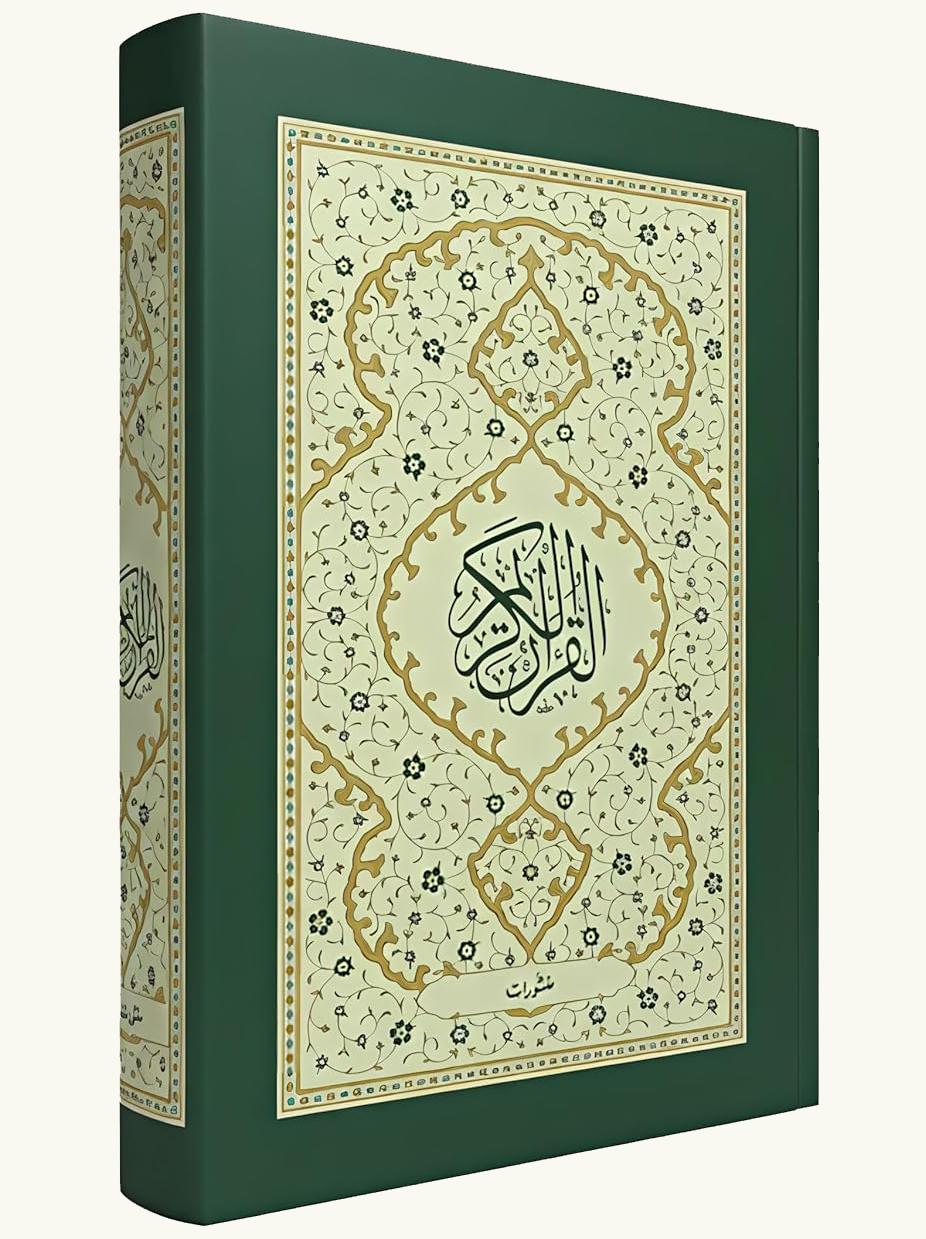
This service prepares Islamic Wills using the rules of Islamic inheritance (Farā'iḍ) as established by the Qur'an, the Sunnah of Prophet Muhammad ﷺ, and the classical scholarship of Islam.
The purpose is to assist Muslims in fulfilling their Islamic responsibility to leave clear instructions regarding their estate while ensuring that the fixed rights of heirs are respected.
The Qur'anic Foundation
The primary rules governing inheritance are found in the Qur'an, particularly in:
- Surah An-Nisā' (Chapter 4), verses 11–12
- Surah An-Nisā' (Chapter 4), verse 176
These verses specify fixed inheritance shares for eligible heirs, including parents, spouses, children and certain siblings.
The Prophet Muhammad ﷺ further explained these rules through authentic Hadith, which form the basis of the classical science of Islamic inheritance (Farā'iḍ).
Fixed Shares and Residuary Heirs
Islamic inheritance follows a structured process.
Generally, an estate is distributed in the following order:
- Funeral expenses
- Outstanding debts
- Valid Islamic bequests (Wasiyyah), up to one-third
- Distribution of the remaining estate among the legal heirs according to Islamic law
Many heirs receive fixed Qur'anic shares, while the remainder of the estate is distributed to residuary heirs according to established juristic principles.
Examples of Qur'anic Rules — Agreed Upon by All Schools of Islamic Jurisprudence (Madhāhib)
...the share of the male will be twice that of the female...
...If there are only daughters, two or more, they get two-thirds of the estate...
...if there is only one (daughter), she gets one-half...
...for parents, a sixth share of the inheritance to each, if the deceased left children.
Qur'an 4:11
You (husband) will inherit half of what your wives leave if they are childless...
...But if they have children, then your (husband) share is one-fourth of the estate...
...And your wives will inherit one-fourth of what you leave if you are childless...
...But if you have children, then your wives will receive one-eighth of your estate.
Qur'an 4:12
If a man dies childless and leaves behind a sister, she will inherit one-half of his estate...
...If this person leaves behind two sisters, they together will inherit two-thirds of the estate...
...But if the deceased leaves male and female siblings, a male's share will be equal to that of two females.
Qur'an 4:176
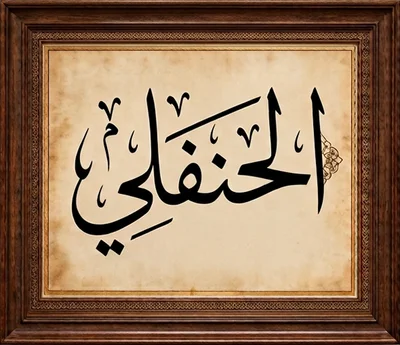
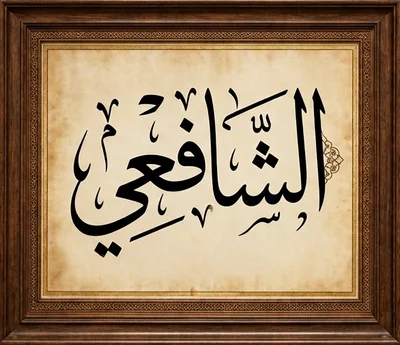
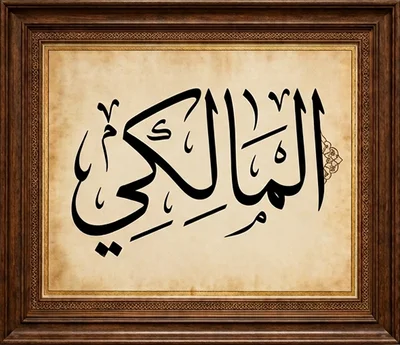
The Five Major Schools of Islamic Law
Our calculations are based upon the recognised schools of Islamic jurisprudence (Madhāhib).
These schools all derive their rulings from the Qur’an and the Sunnah, while differing in certain juristic interpretations and methodologies.
Select a school below to explore its reasoning in depth, with a worked example.
Differences Between the Schools
The vast majority of inheritance rules are agreed upon by all schools. However, some differences exist regarding:
- the eligibility of certain relatives
- treatment of grandparents in specific circumstances
- distribution among siblings in particular cases
- interpretation of certain residuary rules
Where differences exist, our calculator applies the methodology you select when generating your will.
Important Notes
Our service is intended to assist Muslims in preparing an Islamically-compliant will based upon recognised scholarly principles.
It is not a substitute for:
- legal advice
- financial advice
- tax advice
- individual religious rulings (fatwa) for exceptional circumstances
Our Commitment
We are committed to producing wills that faithfully reflect the recognised principles of Islamic inheritance while helping you satisfy the legal requirements of your own jurisdiction. We continually review our calculations and documentation to maintain accuracy and consistency with established Islamic jurisprudence.